Independent Travel Guide

Explore New Zealand's Mountain Gondola & Luge Adventures

Your comprehensive, independent editorial guide to gondola rides, luge tracks, alpine dining, stargazing, and outdoor experiences across Queenstown and Rotorua.

Your Guide to New Zealand's Gondola & Luge Experiences

Independently researched articles covering everything visitors need to know about mountain gondola rides, luge adventures, and alpine tourism in New Zealand.

Riding the Gondola to Bob's Peak: A Complete Visitor Overview

Queenstown's iconic gondola ascends 480 metres above Lake Wakatipu to the summit of Bob's Peak, offering a 220-degree panoramic view of the surrounding mountain ranges.

The gondola experience in Queenstown is widely regarded as one of the most scenic cable car rides in the Southern Hemisphere. Ascending approximately 480 metres from the base station near the town centre, the enclosed cabins carry visitors to the summit of Bob's Peak, where an expansive viewing platform reveals a 220-degree panorama encompassing Lake Wakatipu, The Remarkables mountain range, Coronet Peak, Cecil Peak, and Walter Peak.

Lake Wakatipu itself is a remarkable natural feature. Shaped like a lightning bolt and stretching roughly 80 kilometres in length, it is the third-largest lake in New Zealand and reaches depths of up to 380 metres. According to Maori legend, the lake was formed by the burning of a sleeping giant named Matau, whose heartbeat is said to cause the lake's unusual rhythmic water-level fluctuations, which rise and fall by several centimetres every few minutes.

The gondola ride typically takes between eight and twelve minutes, depending on conditions. At the summit, visitors find a range of facilities including a restaurant, cafe, observation decks, and departure points for luge tracks, mountain biking trails, guided walks, and stargazing tours. The summit area sits at approximately 790 metres above sea level, providing a natural vantage point that is accessible year-round.

For those planning a visit, it is advisable to check weather conditions in advance, as mountain weather can change rapidly. Clear days offer the most expansive views, but even overcast conditions create dramatic cloud formations around the surrounding peaks. The gondola operates throughout the year, with extended hours during the summer season from December through February.
The Luge Experience: Gravity-Fuelled Thrills for All Ages

Luge riding has become one of New Zealand's most popular family-friendly activities, combining the thrill of downhill racing with accessible, self-controlled steering.

A luge is a unique gravity-powered vehicle that sits somewhere between a go-kart and a toboggan. Riders sit in a specially designed three-wheeled cart and navigate downhill tracks using a simple handlebar mechanism: push forward to accelerate and pull back to brake. This intuitive control system makes luge riding accessible to a wide range of ages and abilities, from young children riding with an adult to experienced thrill-seekers tackling advanced courses.

New Zealand offers some of the world's most impressive luge track networks. In Rotorua, the track system extends over 7.3 kilometres across five distinct courses, making it one of the longest luge networks globally. The tracks wind through more than 12,000 native trees, pass through LED-lit tunnels, and feature numerous corkscrews, banked turns, and scenic viewpoints overlooking Lake Rotorua and the surrounding volcanic landscape.

In Queenstown, the luge tracks descend from Bob's Peak with panoramic views of Lake Wakatipu and the surrounding mountain ranges. The tracks are generally divided into scenic routes suitable for beginners and families, and more challenging advanced tracks with steeper gradients and tighter turns. Both locations offer chairlift access back to the top, allowing riders to complete multiple runs without fatigue.

Safety is a priority at all luge facilities. Helmets are mandatory for all riders, and closed-toe shoes are required. Riders must keep both hands on the handlebars at all times and follow posted speed guidelines. Children under a certain height typically ride with an accompanying adult. The tracks are designed with safety barriers and runoff areas, and staff members are positioned along the course to assist riders and maintain safe distances between carts.

For the best experience, visitors are advised to start with a scenic track to familiarise themselves with the controls before progressing to more advanced routes. Arriving early during peak season helps avoid queues, and wearing layers is recommended as temperatures at altitude can differ significantly from the base.

Alpine Dining: Elevated Cuisine with Panoramic Mountain Views

Mountain-top restaurants in New Zealand offer a unique dining experience where locally sourced cuisine meets breathtaking alpine scenery, available at both Queenstown and Rotorua gondola summits.

Dining at altitude is one of the most memorable experiences available to visitors in New Zealand's mountain tourism destinations. At the summit of gondola rides in both Queenstown and Rotorua, restaurants offer seasonal buffet-style dining that showcases the best of New Zealand's culinary traditions. The menus typically feature a wide selection of locally sourced ingredients, including wild game meats, fresh seafood from New Zealand's pristine waters, seasonal vegetables, and artisan cheeses.

In Queenstown, the summit restaurant sits atop Bob's Peak and provides diners with sweeping views of Lake Wakatipu, The Remarkables, and the broader Queenstown basin. The dining experience is designed around a generous buffet format that caters to diverse dietary preferences, including plant-based options, gluten-free selections, and a dedicated dessert station. Both lunch and dinner services are available, with dinner offering the additional appeal of watching the sun set behind the mountain ranges while dining.

In Rotorua, the mountaintop dining experience overlooks Lake Rotorua and the volcanic plateau beyond. The restaurant emphasises New Zealand's unique culinary identity, incorporating Maori-inspired flavours and cooking techniques alongside contemporary international cuisine. The panoramic windows ensure that every table enjoys a view, making it a popular choice for special occasions including anniversaries, birthdays, and intimate celebrations.

For visitors planning to dine at altitude, advance reservations are strongly recommended, particularly during the summer months and school holiday periods when demand is highest. The gondola ride to the restaurant is included with the dining experience, adding to the sense of occasion. Smart-casual attire is generally appropriate, and guests should be aware that mountain temperatures can be cooler than at the base, so bringing an additional layer is advisable.

Stargazing in Queenstown: Exploring the Southern Night Sky

Queenstown's elevated mountain summits and minimal light pollution create ideal conditions for observing the Southern Cross, the Milky Way, and celestial phenomena invisible from the Northern Hemisphere.

The Southern Hemisphere offers a fundamentally different night sky from what visitors from Europe, North America, or Asia may be accustomed to. Constellations such as the Southern Cross (Crux), the Magellanic Clouds, and the rich star fields of the Milky Way's galactic centre are all prominently visible from New Zealand's South Island, particularly from elevated locations away from urban light pollution.

Guided stargazing tours operate from mountain summits accessible by gondola, providing an immersive introduction to southern astronomy. Expert guides use telescopes and laser pointers to identify key constellations, planets, star clusters, and nebulae. The tours typically cover the cultural significance of the night sky in Maori tradition, where stars played a crucial role in navigation, agriculture, and storytelling. The Maori name for the Milky Way is Te Ika o te Rangi, and many individual stars and constellations carry their own Maori names and associated legends.

The best conditions for stargazing occur during the winter months from June through August, when nights are longest and the air is typically clearest. However, tours operate year-round, with guides adapting their presentations to the seasonal sky. New moon periods offer the darkest skies, while full moon periods provide their own spectacular viewing opportunities, particularly when the moon illuminates the surrounding snow-capped peaks.

Visitors should dress warmly for stargazing tours, as temperatures at altitude can drop significantly after sunset, even during summer months. Tours are weather-dependent and may be rescheduled if cloud cover prevents adequate viewing. Most operators provide blankets or warm beverages to enhance comfort during the experience. The combination of altitude, clean air, and distance from major light sources makes New Zealand one of the premier stargazing destinations in the world.

Downhill Mountain Biking: Gondola-Accessed Trail Networks

Gondola-uplift mountain biking eliminates the gruelling climb and lets riders focus on the exhilarating descent through native bush, with trail networks in both Queenstown and Rotorua.

New Zealand has established itself as a world-class mountain biking destination, and the availability of gondola-accessed downhill trails adds a unique dimension to the experience. Rather than spending energy on the ascent, riders can load their bikes onto the gondola and be transported to the summit, where a network of purpose-built trails awaits.

In Queenstown, the trail network descends from Bob's Peak through the Ben Lomond conservation area. The trails offer a mix of terrain types, from flowing singletrack through native beech forest to more technical sections with rock gardens, drops, and bermed corners. The vertical descent of approximately 480 metres provides sustained downhill riding, and the gondola uplift allows riders to complete multiple runs in a single session.

Rotorua's mountain bike park features a 12-kilometre trail network with a top elevation of 532 metres and a vertical rise of approximately 200 metres. The park includes 12 individual runs, with the longest stretching 1.8 kilometres. Trail difficulty ranges from intermediate flow trails to advanced technical descents, catering to riders of varying skill levels. Rotorua's volcanic soil creates naturally well-drained trails that remain rideable in conditions that would close trails in other regions.

Both locations operate seasonally, with the Queenstown bike park typically open from late September through April, and Rotorua offering year-round access. Riders should bring their own equipment or arrange rentals in advance, as availability can be limited during peak periods. Protective gear including a full-face helmet, gloves, and body armour is strongly recommended for downhill riding. Trail conditions are updated regularly, and riders should check current status before planning their visit.

Rotorua's Geothermal Wonders: A Volcanic Landscape Guide

Rotorua sits at the heart of New Zealand's Taupo Volcanic Zone, offering visitors access to spouting geysers, bubbling mud pools, colourful silica terraces, and natural hot springs.

The Rotorua region is one of the most geothermally active areas on Earth, situated within the Taupo Volcanic Zone that stretches from Mount Ruapehu in the central North Island to White Island (Whakaari) in the Bay of Plenty. This geological activity manifests in a spectacular array of surface features that have drawn visitors for well over a century.

Among the most visited geothermal attractions is Wai-O-Tapu Thermal Wonderland, renowned for its vivid mineral-coloured pools, including the Champagne Pool with its distinctive orange-rimmed edge and steaming turquoise waters. The Lady Knox Geyser erupts daily, sending a column of water and steam up to 20 metres into the air. The park's walking trails wind past bubbling mud pools, collapsed craters, and silica terraces that display an extraordinary palette of colours created by mineral deposits over thousands of years.

Te Puia is home to the famous Pohutu Geyser, the largest active geyser in the Southern Hemisphere, which can erupt to heights of up to 30 metres. The site also houses the New Zealand Maori Arts and Crafts Institute, where visitors can observe traditional carving and weaving practices being taught to new generations. The combination of geothermal spectacle and cultural heritage makes Te Puia a particularly significant destination.

For visitors seeking a more immersive geothermal experience, Rotorua offers numerous hot spring bathing facilities ranging from natural riverside pools to developed spa complexes. Hell's Gate is notable as New Zealand's most active geothermal reserve, featuring the largest hot waterfall in the Southern Hemisphere and the only publicly accessible geothermal mud baths in the country. The therapeutic properties of the mineral-rich waters and mud have been valued by Maori for centuries.

When visiting geothermal areas, it is essential to stay on marked paths and boardwalks at all times, as the ground can be unstable and water temperatures in thermal features can exceed 100 degrees Celsius. The distinctive sulphur smell is a natural characteristic of the area and is most noticeable upon first arrival.

Queenstown: The Adventure Capital of the World

Queenstown earned its reputation as the adventure capital of the world through decades of pioneering extreme sports, from the world's first commercial bungy jump to jet boating through narrow canyons.

Queenstown, nestled on the shores of Lake Wakatipu and surrounded by the dramatic peaks of The Remarkables and the Crown Range, has developed into one of the world's most concentrated adventure tourism destinations. The town's transformation from a quiet gold-mining settlement to an adrenaline hub began in the 1980s when AJ Hackett launched the world's first commercial bungy jumping operation from the historic Kawarau Bridge, 43 metres above the turquoise Kawarau River.

Today, the range of adventure activities available in and around Queenstown is extraordinary. Jet boating through the narrow Shotover Canyon at speeds exceeding 80 kilometres per hour has become an iconic Queenstown experience. Skydiving from altitudes of up to 4,500 metres offers freefall views of lakes, mountains, and fiords. White-water rafting on the Shotover and Kawarau Rivers provides varying grades of rapids suitable for different experience levels. Paragliding from mountain summits, canyon swinging, and ziplining through native forest canopy round out the aerial adventure options.

Beyond extreme sports, Queenstown offers a wealth of more relaxed outdoor pursuits. The TSS Earnslaw, a vintage coal-fired steamship that has operated on Lake Wakatipu since 1912, offers scenic cruises to Walter Peak High Country Farm. Wine tours through the Central Otago region, one of the world's most southerly wine-producing areas, showcase award-winning Pinot Noir and other cool-climate varieties. The Queenstown Trail network provides over 130 kilometres of walking and cycling paths connecting the town to Arrowtown, Gibbston Valley, and other nearby communities.

The nearby historic village of Arrowtown, just 20 minutes' drive from Queenstown, preserves the heritage of the 1860s gold rush era with restored miners' cottages, a museum, and the remnants of a Chinese settlement. Glenorchy, located at the northern head of Lake Wakatipu approximately 45 minutes from Queenstown, serves as the gateway to some of New Zealand's most celebrated multi-day hiking trails, including the Routeburn Track and the Rees-Dart Track.

Maori Culture and Heritage in Rotorua's Tourism Landscape

Rotorua is the heartland of Maori cultural tourism in New Zealand, offering visitors authentic encounters with traditional performances, hangi feasts, and living village experiences.

The Rotorua region holds deep significance in Maori history and continues to serve as one of the most important centres of Maori cultural expression in New Zealand. The area has been continuously inhabited by Maori for centuries, with the Te Arawa confederation of tribes maintaining strong connections to the land, its geothermal resources, and the surrounding lakes and forests.

Visitors to Rotorua can engage with Maori culture through several well-established cultural tourism experiences. Whakarewarewa, often referred to as the Living Maori Village, is one of the most authentic cultural destinations in the country. Located within an active geothermal valley, the village has been home to the Tuhourangi Ngati Wahiao people for generations. Visitors can walk through the village, observe residents going about their daily lives, watch cultural performances including the haka, poi dance, and traditional songs, and learn about the community's unique relationship with the geothermal environment that surrounds them.

Mitai Maori Village offers an evening cultural experience that includes a guided bush walk to see glowworms and a freshwater spring, a traditional welcome ceremony, a concert featuring haka and other performing arts, and a hangi meal cooked in an earth oven using heated stones. The hangi cooking method, which involves burying food in a pit with hot rocks, produces distinctively tender and smoky-flavoured meats and vegetables that represent one of the oldest cooking traditions in Polynesia.

Te Puia combines geothermal sightseeing with cultural education through its New Zealand Maori Arts and Crafts Institute, established in 1926 to preserve traditional Maori art forms. Students at the institute learn the intricate art of wood carving (whakairo) and flax weaving (raranga), skills that have been passed down through generations and continue to play a vital role in Maori cultural identity. The institute's graduates go on to create works for meeting houses, museums, and cultural institutions throughout New Zealand and internationally.

Guided Alpine Walks: Ben Lomond and Beyond

The Ben Lomond Track rises to 1,748 metres above sea level, offering one of the most rewarding day hikes in the Queenstown region with 360-degree summit views.

Ben Lomond is one of the most prominent peaks visible from Queenstown, and the track to its summit is considered one of the finest day hikes in the region. The full ascent from the town centre involves approximately 1,438 metres of elevation gain over a distance of roughly 12 kilometres return, making it a challenging but achievable goal for fit hikers. However, the availability of gondola access to Bob's Peak significantly reduces the initial climb, shortening the hike and making the summit more accessible.

From the gondola summit station at Bob's Peak, the Ben Lomond Track continues upward through subalpine tussock grasslands, crossing the Ben Lomond Saddle before the final steep ascent to the 1,748-metre summit. The views from the top are extraordinary, encompassing a full 360-degree panorama that includes Lake Wakatipu, The Remarkables, Coronet Peak, Cecil Peak, Walter Peak, the Richardson Mountains, and on clear days, views extending to Fiordland and Mount Aspiring National Park.

Guided walks offer significant advantages over independent hiking, particularly for visitors unfamiliar with New Zealand's mountain conditions. Professional guides provide expertise on local flora and fauna, geological history, and Maori cultural connections to the landscape. They also carry safety equipment and are trained in mountain weather assessment, which is particularly important given the rapid weather changes that can occur at altitude in the Southern Alps.

The track passes through several distinct ecological zones during the ascent, from native beech forest at lower elevations through subalpine scrub to alpine tussock and exposed rock near the summit. Native bird species including the kea (New Zealand's alpine parrot), tui, bellbird, and fantail may be encountered along the route. The Department of Conservation maintains the track, but conditions can vary significantly with the seasons, and snow may be present on the upper sections from May through October.

Night Luge and Twilight Experiences in Rotorua

As the sun sets over Rotorua, the luge tracks transform into an illuminated wonderland with LED-lit tunnels, glowing track markers, and atmospheric lighting through native forest.

The twilight and night luge experience in Rotorua represents one of the most distinctive after-dark activities available in New Zealand tourism. As daylight fades, the luge tracks undergo a dramatic transformation, with LED lighting systems illuminating the tunnels, track edges, and surrounding forest to create an entirely different riding experience from the daytime version.

The illuminated tracks wind through more than 12,000 native trees, and the interplay of coloured lighting with the natural forest canopy creates an atmospheric environment that many visitors describe as magical. The LED-lit tunnels, which are impressive during the day, become particularly striking at night when the contrast between the illuminated passages and the dark forest creates a sense of travelling through a luminous corridor.

The night luge operates during extended evening hours, typically during school holiday periods and peak tourist seasons. The gondola ride up to the luge departure point offers its own nighttime spectacle, with views of Rotorua's city lights reflected in Lake Rotorua below. The chairlift ride back to the top between runs provides a peaceful interlude under the stars, offering a moment of calm between the excitement of the descents.

Visitors should note that temperatures drop noticeably after sunset, particularly at the elevated luge departure point, so warm clothing is essential. The same safety rules apply as during daytime riding: helmets are mandatory, closed-toe shoes are required, and riders must maintain safe distances between carts. The reduced visibility at night means that first-time riders may wish to complete a daytime run first to familiarise themselves with the track layout before attempting the night experience.

Day Trips from Queenstown: Milford Sound, Arrowtown & Glenorchy

Queenstown serves as an ideal base for exploring some of New Zealand's most spectacular landscapes, from the dramatic fiords of Milford Sound to the golden heritage of Arrowtown.

While Queenstown itself offers an abundance of activities, the surrounding region contains some of New Zealand's most iconic natural attractions, all within comfortable day-trip distance. Planning excursions from Queenstown allows visitors to experience the remarkable diversity of landscapes that characterise the southern South Island.

Milford Sound (Piopiotahi) is arguably New Zealand's most famous natural attraction and is located approximately four to five hours' drive from Queenstown via the scenic Milford Road. The journey itself is spectacular, passing through the Eglinton Valley, alongside Mirror Lakes, and through the Homer Tunnel before descending into the fiord. Milford Sound is a glacially carved fiord flanked by sheer rock walls rising over 1,200 metres from the water, with permanent waterfalls including the 155-metre Stirling Falls and the 146-metre Lady Bowen Falls cascading into the dark waters below. Scenic cruises are the most popular way to experience the fiord, with options ranging from short two-hour cruises to overnight voyages.

Arrowtown, located just 20 minutes from Queenstown, is a beautifully preserved gold-rush era village that offers a gentler pace. The main street is lined with heritage buildings housing boutique shops, cafes, and galleries. The Lakes District Museum provides an excellent overview of the region's gold-mining history, and visitors can try their hand at gold panning in the Arrow River. The Chinese settlement, a collection of restored stone cottages on the outskirts of town, tells the often-overlooked story of Chinese miners who came to the region during the 1860s gold rush. In autumn, Arrowtown becomes particularly photogenic as the deciduous trees lining its streets turn brilliant shades of gold, orange, and red.

Glenorchy, situated at the northern end of Lake Wakatipu approximately 45 minutes from Queenstown, is the gateway to some of New Zealand's Great Walks, including the Routeburn Track, the Greenstone and Caples Tracks, and the Rees-Dart Track. The drive to Glenorchy along the lake shore is considered one of the most scenic road journeys in the country. The area also gained international recognition as a filming location for the Lord of the Rings and Hobbit trilogies, with the dramatic mountain and river landscapes serving as the backdrop for numerous scenes.

Family-Friendly Activities: Planning a Trip with Children

Both Queenstown and Rotorua offer extensive family-friendly options, from gentle luge tracks and scenic gondola rides to interactive cultural experiences and wildlife encounters.

New Zealand's gondola and luge destinations are particularly well-suited to family travel, with activities designed to engage visitors of all ages. The luge, in particular, has become a favourite among families because of its accessibility: children as young as six can ride independently on scenic tracks, while younger children can ride with an adult on the same cart. The simple push-pull steering mechanism is intuitive enough for children to master quickly, giving them a sense of independence and achievement.

Gondola rides themselves are a highlight for children, who are often fascinated by the experience of ascending high above the landscape in an enclosed cabin. The panoramic views at the summit provide excellent opportunities for geography lessons and nature observation. Many summit areas include cafes and rest areas where families can take breaks between activities, and the availability of multiple activity options at a single location means that families can spend an entire day without needing to travel between venues.

In Rotorua, the geothermal attractions provide a natural science education that captivates children. Watching geysers erupt, observing bubbling mud pools, and learning about volcanic activity brings textbook science to life in a dramatic and memorable way. The Maori cultural experiences available in Rotorua are also excellent for families, with performances that are engaging and interactive, and hangi meals that introduce children to traditional cooking methods and flavours.

Practical considerations for families include checking height and age restrictions for specific activities, as these vary between locations and activity types. Pram and wheelchair accessibility is generally good at gondola base stations and summit areas, though some trails and tracks may not be suitable for pushchairs. Bringing snacks and water is advisable, particularly for families with young children, as mountain-top dining can have wait times during peak periods. Sun protection is essential year-round in New Zealand due to the country's position beneath the ozone hole, and the UV index can be particularly high at altitude.

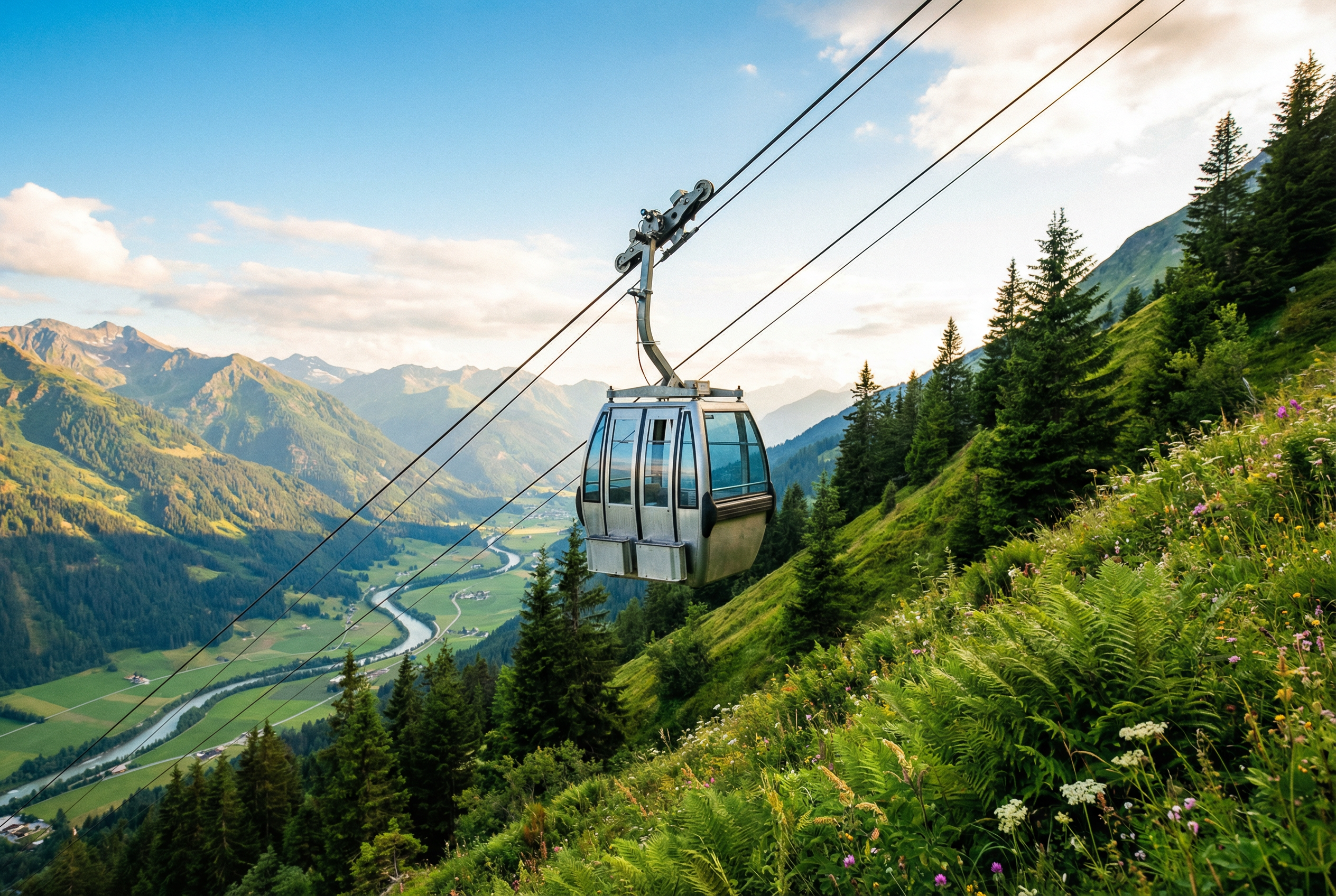
Scenic mountain gondola ascending through alpine landscape
“The mountains are calling and I must go.” — John Muir

When to Visit: A Season-by-Season Overview

New Zealand's seasons are reversed from the Northern Hemisphere. Each season offers distinct advantages for gondola, luge, and outdoor tourism.

Summer

December – February

Long daylight hours, warm temperatures (15–25°C), and peak season for all outdoor activities. Extended gondola and luge operating hours. Ideal for hiking, mountain biking, and stargazing.

Autumn

March – May

Golden foliage, cooler temperatures (8–18°C), and fewer crowds. Arrowtown's autumn colours are spectacular. Excellent visibility for gondola views. Shoulder season with good availability.

Winter

June – August

Snow-capped mountains create dramatic gondola views. Skiing at The Remarkables and Coronet Peak. Longest nights ideal for stargazing. Cooler temperatures (0–10°C) but fewer tourists.

Spring

September – November

Warming temperatures (10–20°C), blooming native flora, and snow still on peaks. Mountain bike parks reopen. Shoulder season pricing and availability. Lambing season in the high country.

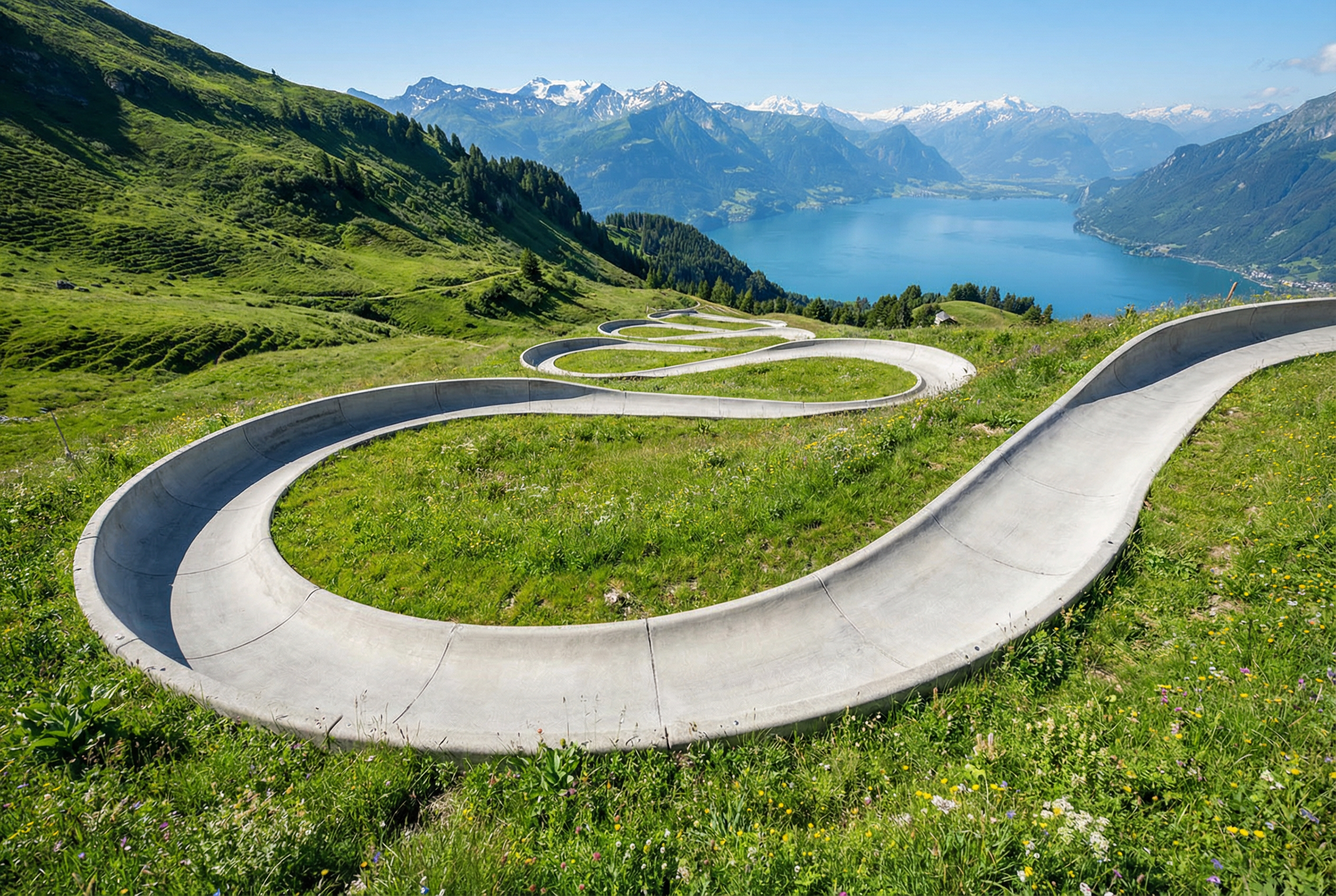
Scenic luge track winding through lush green hillside with mountain views
“Life is either a daring adventure or nothing at all.” — Helen Keller

Essential Visitor Tips

Practical guidance to help you prepare for gondola rides, luge experiences, and mountain activities in New Zealand.

Sun Protection

New Zealand has high UV levels year-round due to the thinner ozone layer. Apply SPF 50+ sunscreen, wear a hat, and bring sunglasses. UV intensity increases significantly at altitude.

Advance Planning

Check operating hours and weather forecasts before visiting. Mountain conditions can change rapidly. During peak season (December to February), arriving early helps avoid queues for popular activities.

Dress in Layers

Mountain temperatures can be 5–10°C cooler than at the base. Wear layers that can be added or removed. Closed-toe shoes are mandatory for luge riding and recommended for all mountain activities.

Allow Enough Time

Plan at least half a day for a gondola and luge visit. If combining dining, stargazing, or guided walks, a full day is recommended. Multiple luge runs are more enjoyable than rushing through one.

Camera Ready

Charge devices fully before visiting. The views from gondola summits and luge tracks provide exceptional photography opportunities. Secure cameras and phones in zipped pockets during luge rides.

Accessibility

Gondola facilities generally offer wheelchair access with assistance. Summit restaurants are accessible. Contact venues directly for specific accessibility requirements and to arrange any necessary support.

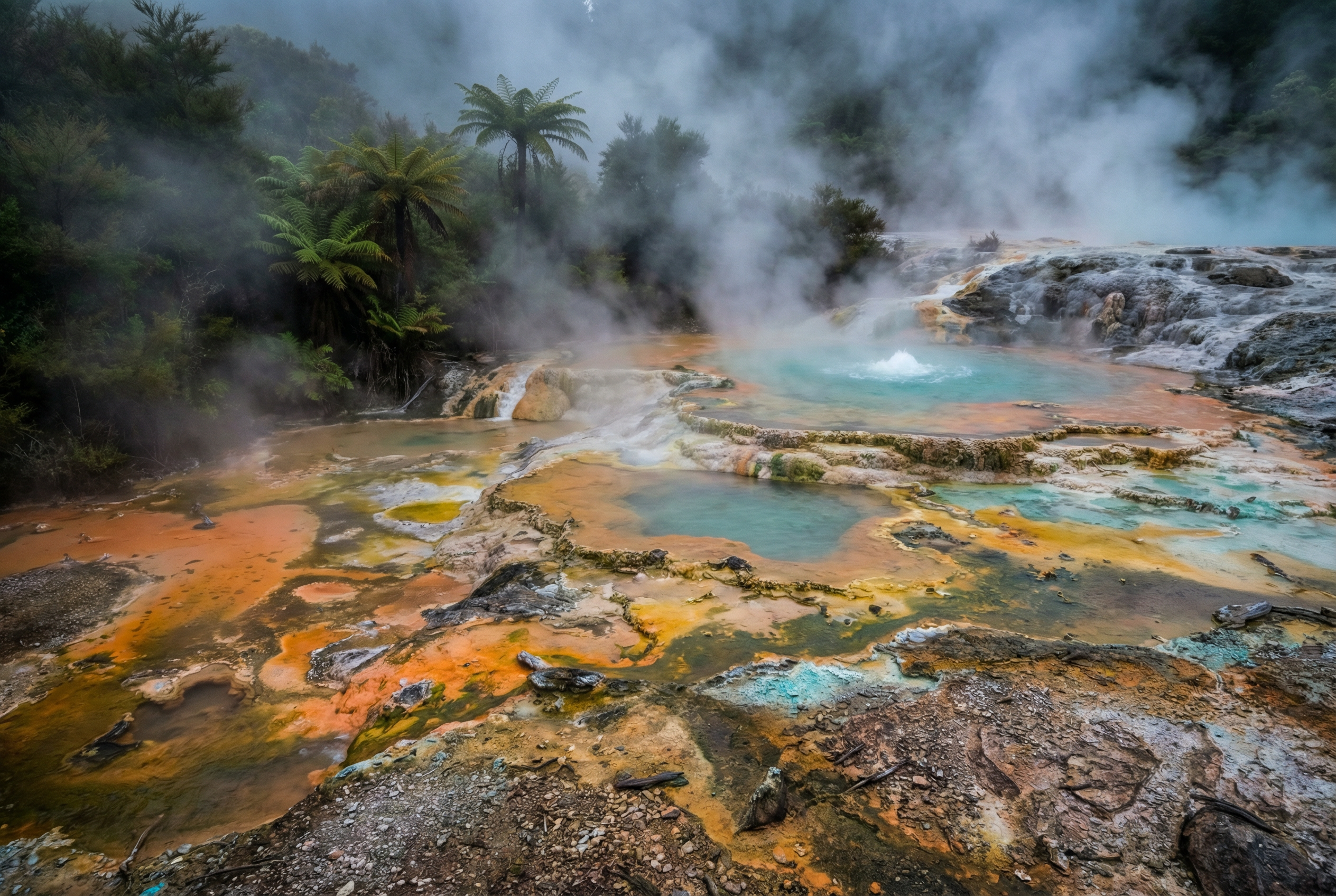
Geothermal landscape with colourful mineral pools and rising steam
“In every walk with nature, one receives far more than one seeks.” — John Muir

Common Questions About Visiting

Dress in comfortable layers, as mountain summit temperatures can be 5–10°C cooler than at the base. Closed-toe shoes are mandatory for luge riding. Bring sunglasses, sunscreen (SPF 50+), and a hat for sun protection. A light waterproof jacket is advisable as mountain weather can change quickly.
Yes, both gondola rides and luge tracks are designed to be family-friendly. Children as young as six can typically ride the luge independently on scenic tracks, while younger children can ride with an accompanying adult. Gondola cabins accommodate prams and are accessible for families with young children. Height and age restrictions vary by location, so checking specific requirements in advance is recommended.
Gondola and luge facilities operate year-round, with each season offering a different experience. Summer (December–February) provides the longest operating hours and warmest weather. Autumn (March–May) offers spectacular foliage and fewer crowds. Winter (June–August) features snow-capped mountain views and is ideal for combining with skiing. Spring (September–November) brings blooming native flora and shoulder-season availability.
Yes, luge tracks are designed with safety as a priority. Helmets are provided and mandatory for all riders. The steering mechanism is simple and intuitive: push the handlebars forward to go and pull back to brake. Scenic tracks offer gentler gradients suitable for beginners, while advanced tracks provide more challenge for experienced riders. Staff are positioned along the tracks to assist and ensure safe distances between riders.
Gondola facilities generally provide wheelchair access with staff assistance. Wheelchairs are available at both base and summit stations. Summit restaurants and viewing platforms are accessible. The luge itself requires riders to be able to sit in the cart and operate the handlebars independently. Contact specific venues directly to discuss individual accessibility needs and arrange any required support in advance.
Both destinations offer gondola rides and luge tracks, but each has a distinct character. Queenstown (South Island) is set among dramatic alpine scenery with Lake Wakatipu and The Remarkables, and is known as the adventure capital of the world. Rotorua (North Island) combines its gondola and luge with unique geothermal attractions, rich Maori cultural experiences, and the world's longest luge track network at 7.3 kilometres. Many visitors choose to include both destinations in their New Zealand itinerary.
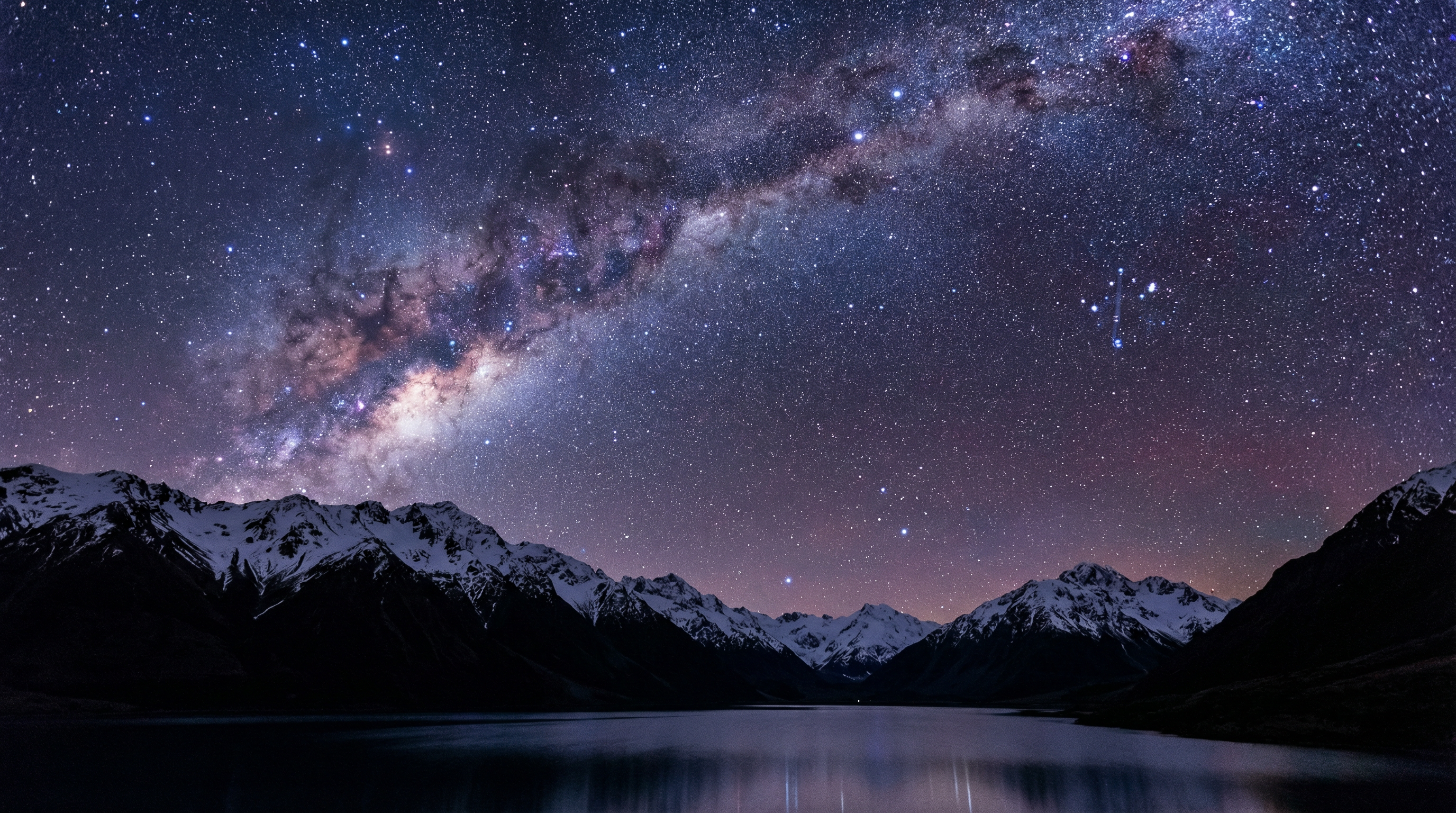
Clear night sky with stars and Milky Way above mountain silhouette
“The stars are the jewels of the night, and perchance surpass anything which day has to show.” — Henry David Thoreau

Receive Our Free Travel Guide

Subscribe to receive independent travel tips, seasonal updates, and destination guides for New Zealand's gondola and luge experiences.

Thank You!

Your subscription has been received. Look out for our next travel guide in your inbox.